Why architects choose Glasstec Systems as a glass balustrade systems supplier
Architects choose Glasstec Systems because we provide accurate technical information, clear guidance, and consistent support throughout the project lifecycle. Our role is to remove uncertainty from the specification process and help ensure that the selected balustrade system performs safely and looks exactly as intended.
Early design-stage collaboration
We engage at concept stages to review design feasibility, assess structural constraints, and advise on suitable balustrade systems.
Early consultation ensures that balustrade proposals can meet loading requirements, deflection limits, height criteria and post-breakage behaviour without compromising architectural intent.
Clear structural and compliance guidance
Glass balustrades must comply with BS 6180 and the applicable loading categories. These include line load, uniformly distributed load, and concentrated load. Glasstec Systems provides accurate information on line load requirements, appropriate glass build-ups, deflection limits, and fixing demands.
Typical line loads set out in BS 6180 Table 2 include:
0.36kN/m for domestic residential
0.74kN/m for offices
1.5kN/m for public areas
3.0kN/m for assembly spaces with crowd loading
Architects use these values to determine whether a system is structurally viable, and the team here at Glasstec Systems will work with you to ensure accuracy and project success.
Practical, buildable solutions for contractors
Installation requirements influence the viability of any balustrade system. We provide detailed information on fixing tolerances, sequencing, waterproofing interfaces, and substrate preparation for base channels.
This reduces installation risk and ensures that structural assumptions made during design are achievable on site.
Expertise in bespoke architectural glazing
Because we supply a broad range of architectural glazing systems, including structural glazing, glass roofs, walk on glass, partitions, and canopies, we understand how balustrades interact with wider glazing assemblies.
This integrated knowledge allows us to produce coordinated solutions that improve buildability and maintain design coherence across different glazing elements.
High-quality workmanship and reliable communication
Architects value predictable technical performance. Our drawings, load tables, fixing details and product data sheets present clear, verifiable information.
This assists Building Control and structural engineers in verifying compliance.
Better visual and technical outcomes
We assess panel size, interlayer type, load class and fixing method to achieve optimal stiffness and deflection performance.
This results in a barrier that remains serviceable, compliant and visually consistent.
Types of glass balustrade systems
Different balustrade systems are used depending on structural requirements, environmental factors, and architectural preferences. Glasstec Systems supplies a range of systems suited to varied applications.
Frameless structural glass balustrades
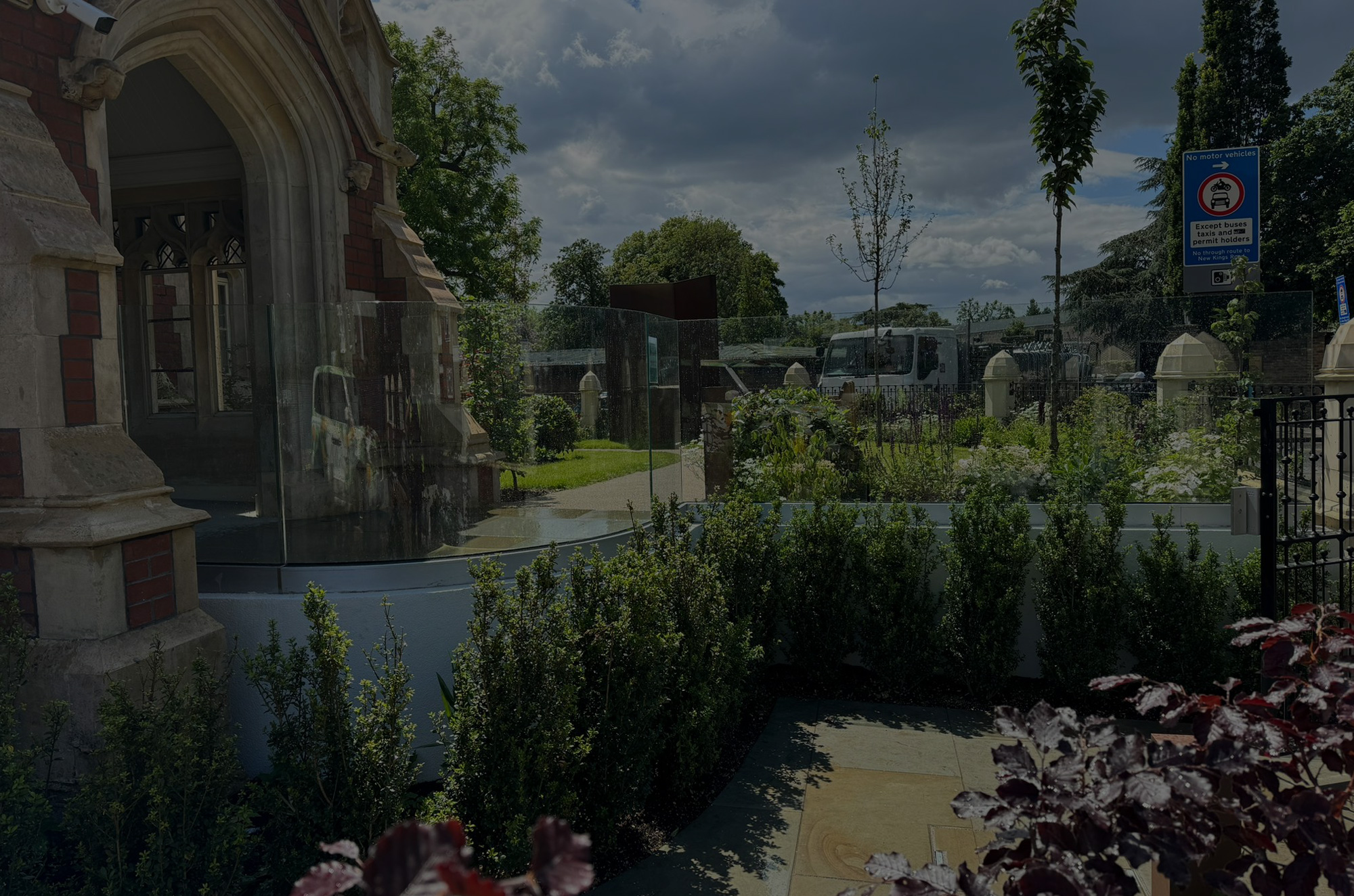
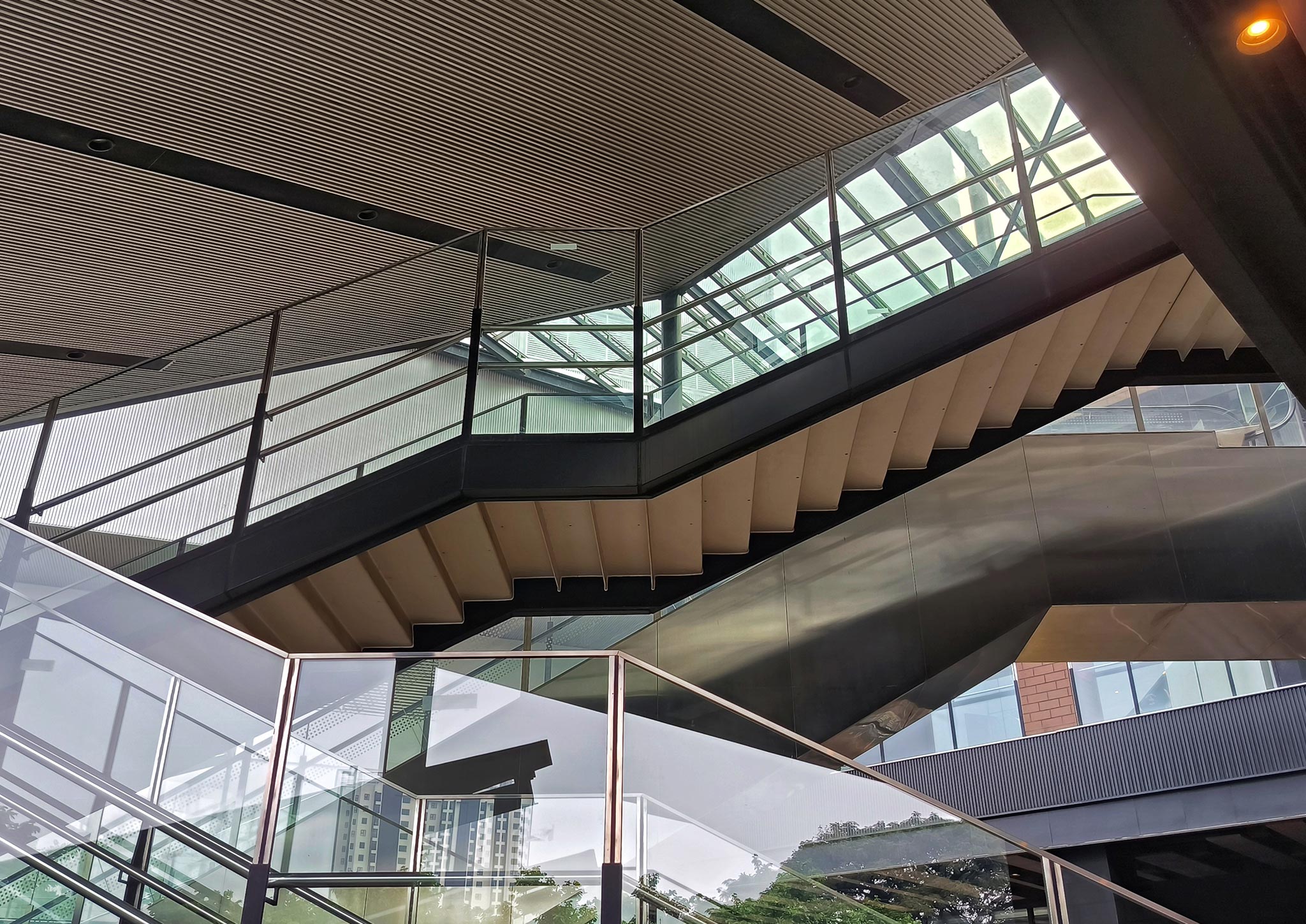
Frameless glass balustrades rely on the structural capacity of the glass itself, providing continuous transparency without posts or visible supports.
Suitable applications include internal voids, staircases, terraces, and atriums. Panel size, glass thickness, and fixing conditions must be assessed to achieve compliance.
Base shoe balustrade systems
Channels provide continuous support and are suitable for higher load categories.
Channels may be top-fixed or side-fixed, depending on the substrate and design conditions. These systems offer high structural performance and controlled tolerances while maintaining a minimal appearance above floor level.
Post and rail glass balustrades
These systems use vertical posts to support the glass and may include a handrail to provide additional rigidity.
They are appropriate for environments with higher load requirements or where a more traditional arrangement is preferred. Posts can simplify installation tolerances and allow for larger spans between supports.
Fire rated glass balustrades
Fire performance is classified to EN 13501-2, with manufacturer-specific test data defining thickness, span and fixing constraints. Structural design, impact safety and fire performance must be assessed separately.
Technical considerations for specifying glass balustrades
Glass balustrade design requires careful assessment of structural capacity, compliance, installation constraints, and long-term durability.
Structural loading requirements
Balustrades must meet the line load criteria defined in BS 6180. The required performance level varies depending on building use and occupancy type. For example, an internal office void typically uses 0.74kN/m, while a shopping centre balcony requires 3.0kN/m.
Incorrect load categorisation can lead to unsafe or non-compliant systems. Glasstec Systems provides guidance to ensure that systems meet the correct load classification.
Glass types and performance
Laminated toughened and laminated toughened heat-soaked glass are commonly specified to achieve the necessary structural and safety performance. PVB provides basic containment but has low stiffness under load. And SGP or ionoplast interlayers provide significantly higher stiffness and are preferred for handrail-free systems, long spans and external edges due to reduced creep and better post-breakage stability.
Glass thickness and panel size must be calculated to account for deflection, edge stability, and load distribution. Examples include:
- 0.74kN/m office balustrade: typically 17.5-21.5 mm laminated toughened
- 1.5kN/m public area: typically 21.5-25.5 mm laminated toughened or SGP laminate
- 3.0kN/m crowd load: often requires 25.5 mm+ SGP laminates or bespoke calculations
These values depend on span, height and channel stiffness.
Fixing details and support
Fixing methods must be coordinated with substrate conditions, waterproofing strategies, and tolerance requirements.
Surface-mounted or side-fix channels must meet stiffness requirements to limit lateral deflection. Many designs work to a serviceability limit of the smaller of L/65 or 25mm at the top of the barrier. Structural engineers must verify substrate stiffness, fixing edge distances and anchor performance.
Glasstec Systems provides project-specific recommendations to ensure correct installation and long-term stability.
Edge protection and durability
Handrails may be required depending on load category and location. BS 6180:2011 Clause 8.5.2 states that a handrail is normally required for drops exceeding 600 mm unless laminated toughened glass is used that either remains in place after fracture; can sustain the design load in a broken state; or provides adequate containment.
This clause is essential when designing frameless balustrades without a handrail.
Containment must be demonstrated through EN 12600 impact classification and post-breakage testing or calculation.
Key questions architects ask when selecting a glass balustrade supplier
- What load performance does the balustrade need to meet.
- Does the proposed system comply with BS 6180.
- Can the balustrade achieve a frameless configuration without a handrail.
- What is achievable with fire rated glass balustrades.
- How should the fixings be detailed to maintain structural stability and waterproofing integrity.
- At what stage should the glazing specialist be engaged.
Why Glasstec Systems is a leading supplier of glass balustrade systems
Glasstec Systems is recognised for technical precision, compliance-focused guidance, and consistent delivery quality. We assist architects in developing buildable and compliant designs, supported by accurate engineering data and reliable installation processes.
Our experience across a broad range of glazing applications allows us to provide integrated solutions that align with the project’s structural and architectural requirements. This objective, engineering-led approach is valued by design teams seeking robust and predictable performance.
For design advice, structural guidance or specification support, contact the team at Glasstec Systems on telephone: 020 8500 2818 or email info@glasstecsystems.co.uk