Retrofitting Glass in Existing and Heritage Buildings:
Where Projects Go Wrong (And How to Do Better)
Retrofitting glazing into existing and heritage buildings is rarely as straightforward as the drawings suggest. On paper, it can look like a simple swap: remove old elements, insert new high‑performance glass, and move on. In reality, these projects sit at the intersection of performance upgrades, sensitive architecture and very real on‑site constraints. That mix is where many schemes run into trouble.
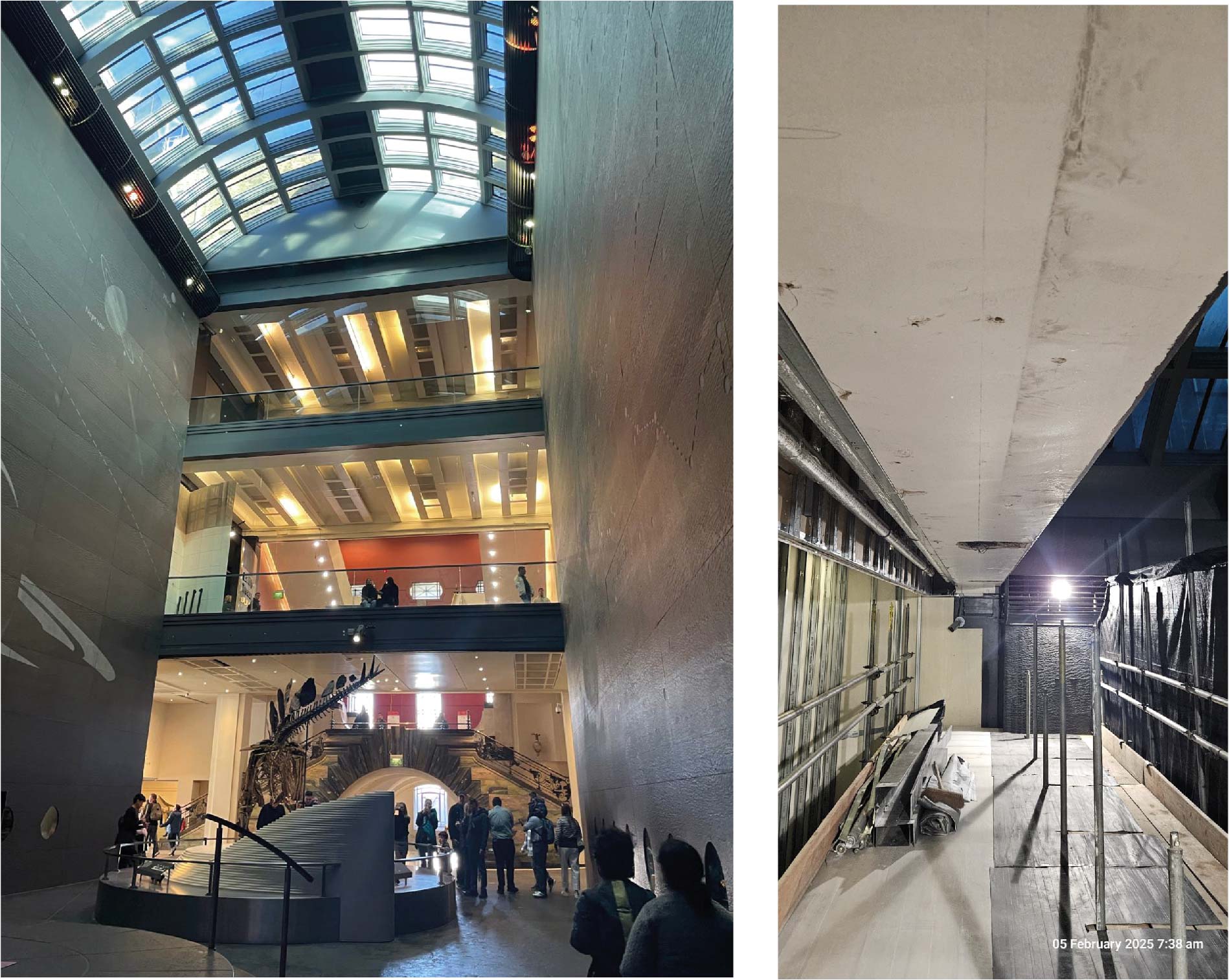
One of the biggest misconceptions is treating retrofit work like a simplified version of a new build. Existing and heritage buildings bring decades of movement, patch repairs and undocumented alterations. “As-built” drawings, where they exist at all, often diverge from the reality you find once finishes are stripped back. Walls are not straight, floors are not level, and structural lines do not always align with what the design team expected. When glazing packages are based too heavily on assumed dimensions, rather than measured conditions, the result can be glass and metalwork that simply do not fit the building they were designed for. On projects such as the glazed smoke barrier system at the Natural History Museum in London, a detailed investigation of the historic structure by Glasstec Systems was essential before any glass was specified, precisely to avoid these kinds of clashes.
In retrofit work, a quick tape measure is not enough. A proper survey looks at much more than opening sizes, checking how plumb and level the structure is over its full height, how the building is moving, and where existing finishes, services and fixings are likely to clash with the proposed glazing details. For heritage properties, it also means understanding how much of the existing fabric can be disturbed or drilled, and where new interventions must be reversible. On the Natural History Museum smoke barrier project, for example, Glasstec’s surveys helped determine where glass supports could be fixed without damaging protected fabric, and where details needed to be adapted to work with the listed structure rather than against it. When this level of information is carried through into manufacturing drawings for glass, brackets and support steelwork, the likelihood of costly on-site compromises drops significantly.
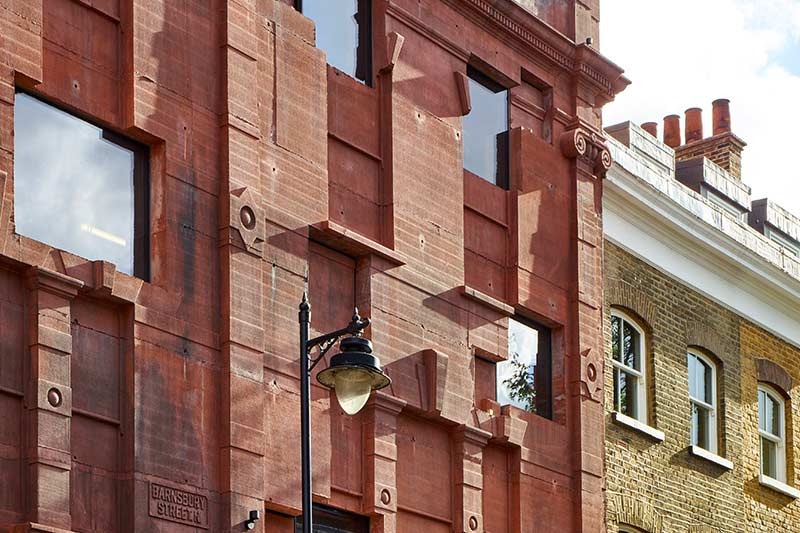
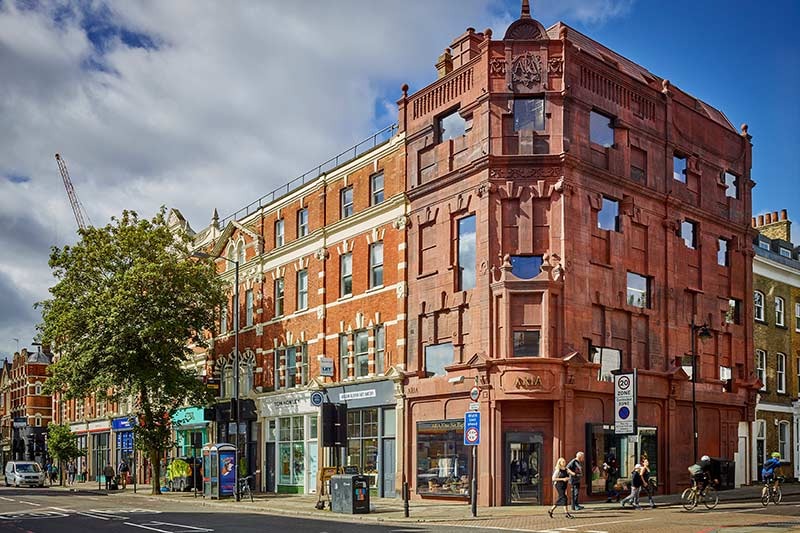
Another common failure point is underestimating the impact of tolerances and movement at interfaces. Existing structures often deflect, shrink, or move differently than new elements do. Inherit a concrete frame from the 1960s or a timber floor structure from the 1880s, and you will be working with a different behaviour profile than a new steel frame. If glazing details do not allow for that, through movement joints, properly sized tolerance gaps and adjustable fixings, stress can build up in glass and frames, leading to cracked units, water ingress or doors and windows that never quite operate as intended. The details may look neat in a section, but if they assume “perfect” substrates, they can quickly become fragile in practice. Work on urban retrofit schemes, such as the glazing at 168 Upper Street, shows how early recognition of irregular substrates and differential movement, backed up by Glasstec’s design input, can be built in from the start rather than becoming a problem during installation.
Working in live or occupied buildings adds another layer of complexity. Many retrofit glazing projects need to maintain access, fire routes and day-to-day operations while works are carried out. That affects how materials can be brought in, when noisy works can happen and how long areas can be taken out of use. Glazing designed without considering crane positions, internal lifting routes, or the space required for temporary protection can turn installation into a logistical puzzle. In the worst cases, teams end up resequencing other trades, reprogramming the project, or redesigning details under pressure, none of which is helpful for risk or cost.
A more methodical approach starts by accepting that retrofit glazing is a survey-led discipline. Accurate, thorough surveys should inform glass sizes, metalwork, brackets and interfaces, rather than the other way around. That information can also shape the conversation with the design team. If tolerances are tight in a particular area, details can be adapted early to include adjustment and access, rather than relying on on-site improvisation. For heritage projects, early coordination with conservation officers and heritage consultants helps align visual expectations with what is technically achievable, whether that means choosing particular glass types, minimising visible fixings or keeping new work clearly legible alongside old. In Glasstec’s experience, bringing the glazing specialist into these discussions early makes those trade-offs easier to manage.
Sequencing is another area where careful thought pays off. Planning how glazing will be removed and installed in a live environment, including protection to finishes, temporary weathering, and safe routes for people and materials, should happen well before manufacturing starts. That may involve breaking the project into phases, agreeing night or weekend working in certain zones, or designing temporary supports so that parts of the building can remain operational. If the glazing specialist is involved in these discussions, they can help shape details that are not only buildable on paper but also realistic on the ground.
Maintainability is often overlooked in the drive to meet performance and visual targets. In retrofit settings, particularly on taller or more constrained buildings, thinking about how glass and components will be cleaned, inspected and replaced in ten or twenty years’ time is just as important as getting them in place today. That might influence opening sizes, access systems, fixing strategies or the decision to use certain types of structural glass. Projects that ignore this question risk leaving building owners with beautiful facades that are difficult and expensive to look after.
Throughout all of this, the most successful retrofit and heritage glazing projects tend to be those where the specialist is treated as part of the design team rather than simply an installer. When firms like Glasstec Systems are involved from the point where ideas are still flexible, testing feasibilities, advising on spans, fixings and build ups, and feeding survey information back into design, the gap between concept and reality narrows. Problems are not eliminated, but they are more likely to be encountered on drawings, where they are cheaper and safer to solve, than on scaffolds in the rain.
Retrofitting glass into existing and heritage buildings will always come with uncertainty. But by treating surveys as the starting point, giving proper attention to movement and tolerances, planning installation in the context of live operations, and building in maintainability from the outset, project teams can significantly reduce the risk. With the right specialist support, the result is glazing that respects the character of the building, improves performance, and works with, rather than against, the realities found on site.
Do you have a glazing requirement for your heritage project?
Get in touch with Glasstec Systems to discuss how our services can help you deliver your structural glazing vision.